
What is ready to be covered?
An open trench, foundation perimeter or excavated work area may contain work that needs inspection or acceptance before backfill. We establish who releases that area and what evidence is required. Closing it too early can mean reopening it so the responsible trade or inspector can see what was covered.
Send the relevant drawings and identify the contractor responsible for the installation. Our trenching service covers excavation rather than utility installation, so those responsibilities remain separate. The excavation planning guide shows where this handoff fits. We want a clear instruction from the authorized project representative, not an assumption that a finished-looking installation is ready to bury.
Material, lifts, moisture and verification
Suitable material is placed in controlled layers, or lifts, using the method required by the project. The lift is the working layer, not the total depth of the excavation. Moisture condition and the selected compaction method affect whether the material can achieve the specified result.
FHWA's earthwork guidance describes these variables together. We do not apply one thickness, water allowance or density target to every job. Our soil and fill guide explains why the specification matters. Where a project requires testing, the agreement must identify the test criteria, the agency and any hold points. A smooth surface alone does not demonstrate compliance beneath it.
Match compaction method to material and access
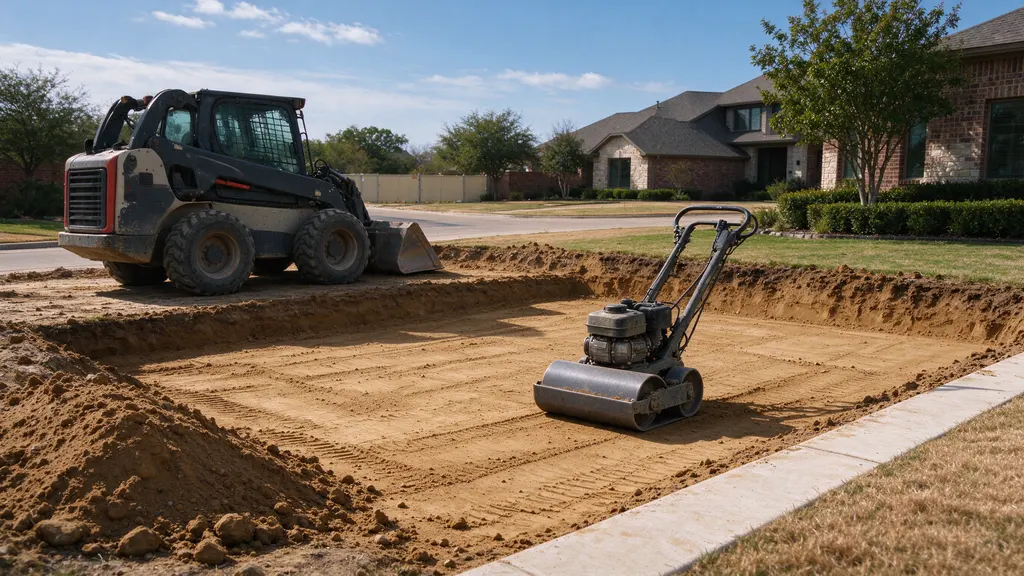
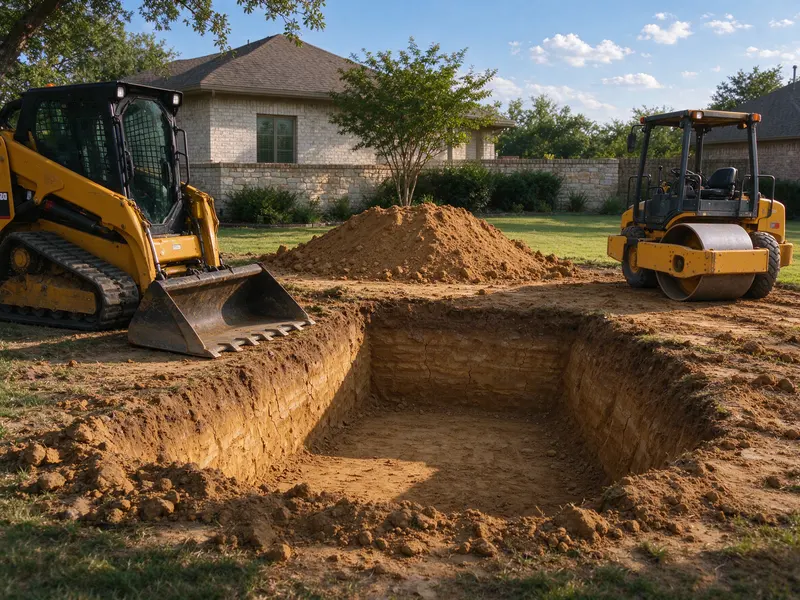
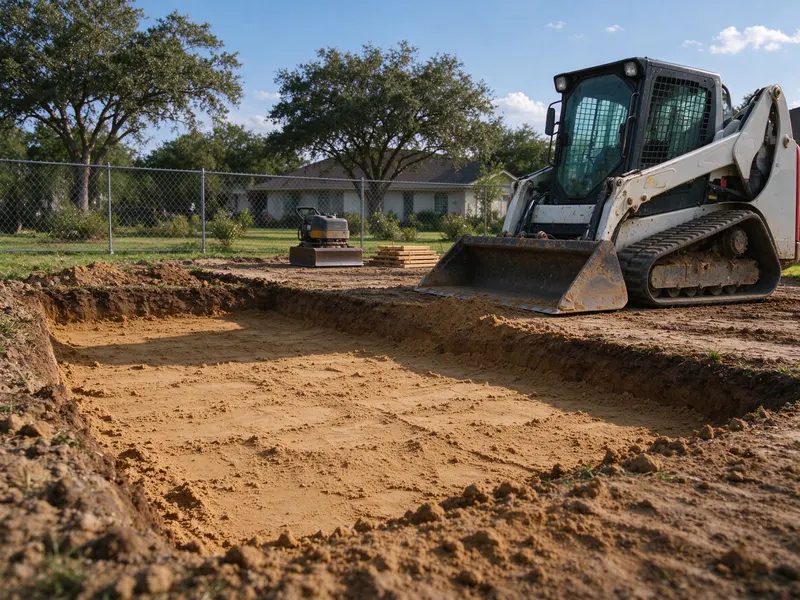
A plate compactor and a vibratory roller are not interchangeable simply because both compact material. The available working width, the material and the project requirements affect the method. Equipment must also be suitable for the proximity of the installation being covered and any existing structure.
We review that relationship before pricing. Our equipment comparison guide explains the broader roles of excavation machinery, while tight-access excavation addresses routes that restrict the operation. A small opening can limit the equipment available at depth. If the specified method cannot be performed in the available space, the design team needs to resolve the conflict rather than having the contractor improvise an unapproved substitute.
Have plans?
Let’s define the earthwork.
Backfill around an installation follows its requirements
The material immediately around a pipe, structure or other installation may have requirements that differ from the material higher in the excavation. The installing contractor's documents need to define that interface. We do not treat every remaining void as permission to use whatever soil is closest.
The scope should say which party supplies any specified bedding or surround material and where the earthwork responsibility begins. Utility installation remains outside our offering. Our guide to excavating near foundations discusses a different sensitive interface: existing structural support. If the backfill is next to a foundation, the relevant design requirements control the operation; this service is not a structural repair or waterproofing contract.
What this work looks like
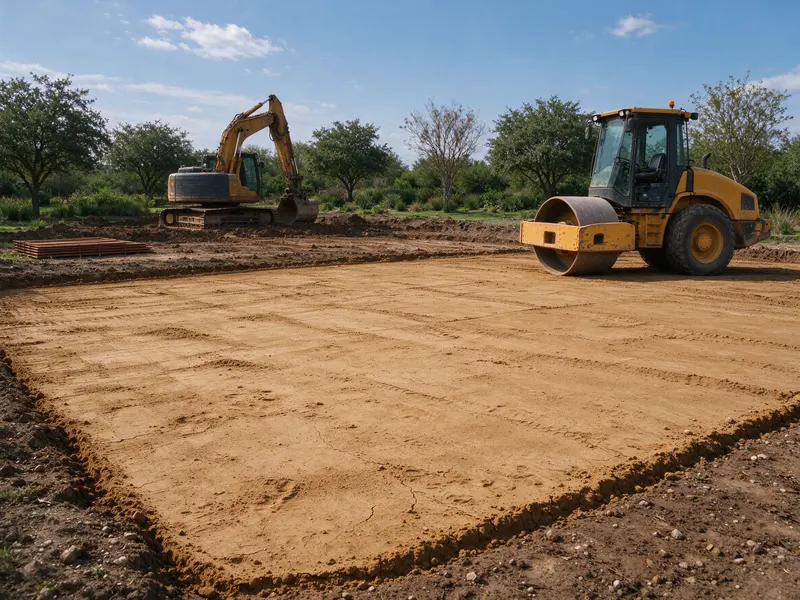
Do not bury the reason a surface will settle
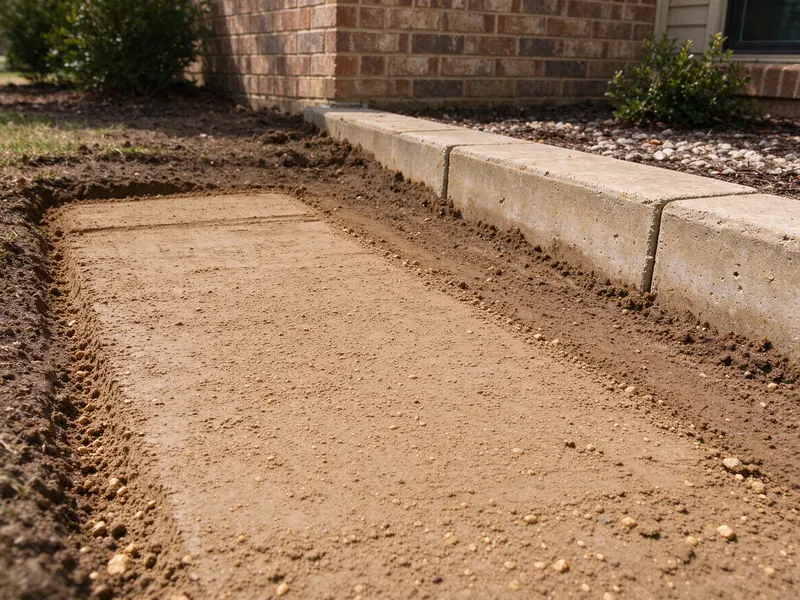
Compaction helps control the behavior of placed fill, but it is not a guarantee that all future movement is eliminated. The supporting ground, material selection and water conditions also belong in the project assessment. Adding passes over unsuitable material is not a substitute for resolving the underlying requirement.
If the exposed area differs from the supplied assumptions, the responsible designer or geotechnical professional may need to direct corrective work. The guide to soil tests and grading plans explains the role of that information. We identify the changed condition and its effect on the scope instead of promising a fixed outcome from a machine count or an arbitrary number of passes.
Keep test results attached to the work they describe
A report needs to be useful to the person accepting the area. Agree how test locations and the relevant placement stages are identified, who receives the results and what happens when a result does not meet the requirement. The sequence should leave time for the required acceptance before further work hides the area.
The testing agency carries its own professional responsibility; our earthwork quote should not imply that an unspecified test is included. Our excavation quote comparison guide helps distinguish construction work from verification services. If corrective work is needed, the contract should describe authorization and any retesting responsibilities. That is clearer than treating every result as either an automatic extra or an unconditional guarantee.
Weather and material condition can change the sequence
Backfill may be scheduled after another trade finishes, but the ground and material condition still have to suit the work. Standing water or a material condition outside the project requirements needs to be addressed, not covered to keep a calendar date. A delay in the earlier installation may also change when the backfill can begin.
Our rain and water in excavations guide explains the questions to resolve after wet conditions. We discuss temporary stockpiles and delivery timing so material handling matches the actual sequence. If imported material is required, fill placement belongs in the coordinated scope. Extra deliveries, drying or removal should have an agreed authorization process rather than appearing as unexplained charges.
Price the finished condition, not just the hole
The amount of backfill is one input, but access, material supply and the required placement method also matter. A shallow open area can be a different operation from a confined trench. The final surface may need to support paving, landscaping or another construction stage, each with its own handoff.
Our Frisco excavation cost guide helps separate these cost categories. A local addition example's soil-preparation allowance should not be treated as a standard price for every trench. Ask whether delivery, compaction, testing and final grading are included. The guide to rough versus finish grading clarifies that completing backfill does not automatically include the finished landscape or paving surface.
The first review and the final handoff
We start with the address, excavation purpose and the requirements for the installed work. We ask which inspections or approvals must happen before backfill, what material is specified and who accepts the result. Access photographs and the current plans help us identify the equipment and handling questions early.
At completion, the next trade needs the agreed elevation and any records called for by the contract. The surface should be handed over in its stated condition, with remaining work identified. Use our project-readiness assessment if those responsibilities are still being organized, or request an estimate with the documents available. We can define the earthwork without pretending unresolved engineering decisions are already settled.
Questions before the work.
Can the excavated soil always go back into the trench?
No. Reuse depends on the material and the requirements around the installation and finished surface. The project may specify a different material for part or all of the backfill.
Does more compactor time fix any failed test?
Not necessarily. Material type, moisture and placement thickness may need attention. The corrective approach should follow the project requirements and the responsible professional’s direction.
Who gives permission to cover a utility installation?
The project must identify the authorized release after any required inspection or acceptance. We do not assume that the absence of the installing trade means the work is ready to cover.
Will compaction eliminate every possibility of future settlement?
No. Compaction addresses the placed material under the specified conditions. It does not provide an unconditional guarantee about the supporting ground, future water conditions or later disturbance.
Can you include testing in the backfill scope?
Testing responsibility can be defined when the project is priced. The agreement needs to name the required service and records rather than treating a general mention of compaction as proof that testing is included.